

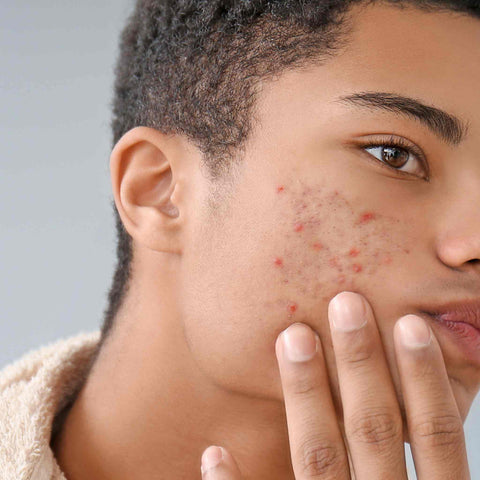
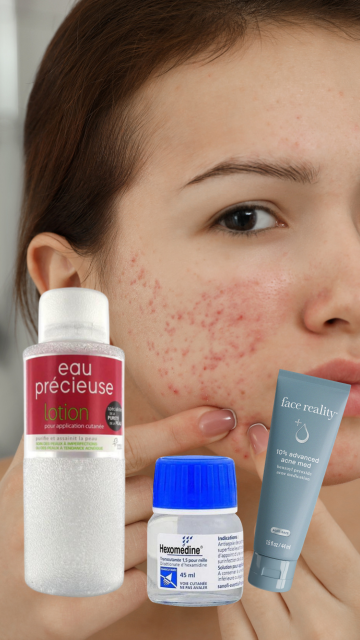
Acneic skin
Acne is a consequence of overactive oil glands combined with excess dead cells trapped in the pores Read more...
The French secret is to
1- keep the skin moist & supple to let oils flow out (only wash at night and plump your skin with moisture)
2- create a low pH & oxygen rich environment to fight bacterial infection (tone and use either benzoyl peroxide or aureocyde if your skin is sensitive)
3- gradually and gently exfoliate the pores from the inside out avoiding peeling and irritations! ( start with 15 min then wash off the exfoliant for 5 days, then increase to 30 min for 5 days, then 1 hour.....)
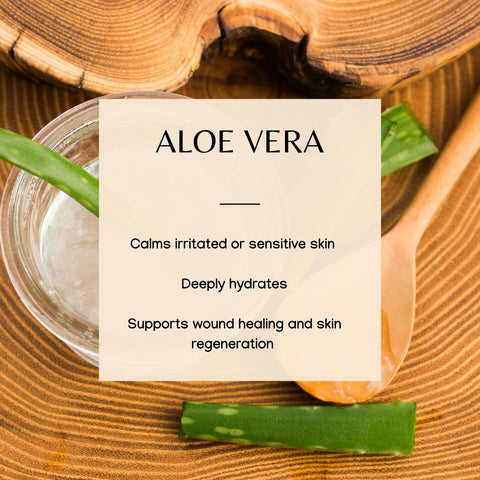
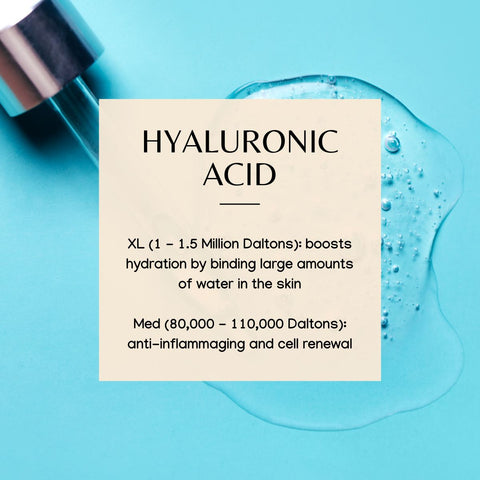
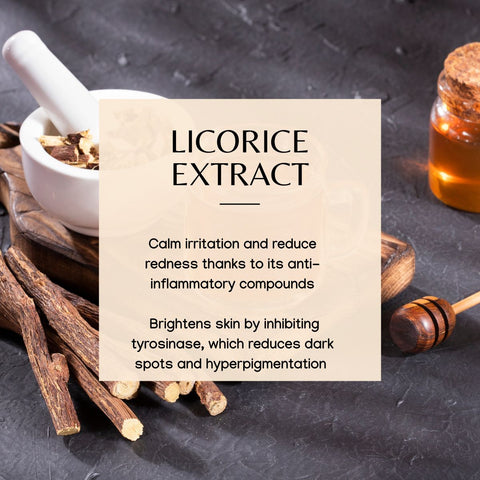
4-prevent scaring by reducing inflammation and controlling pigmentation with Secret de beaute Propolis serum



Price:
$ 38.00
Regular price:
Secret de Beauté Propolis Serum | Repair and Soothing 1oz
Price:
$ 30.00
Regular price:
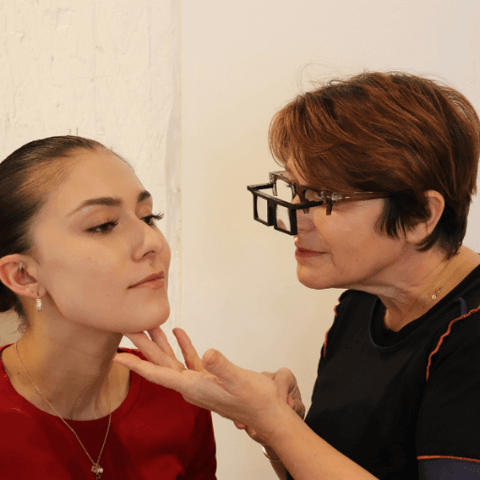
Consultation with French Esthetician Helene

Price:
$ 28.00
Regular price:
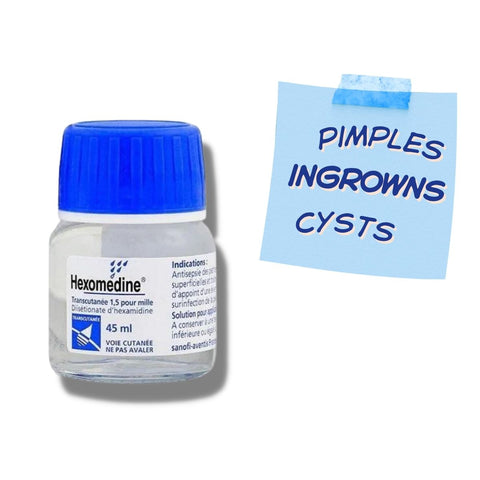
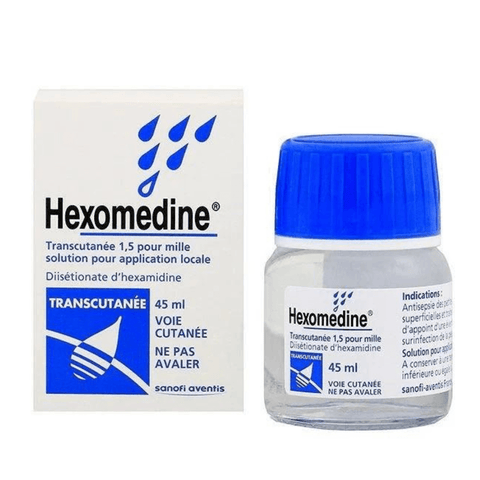
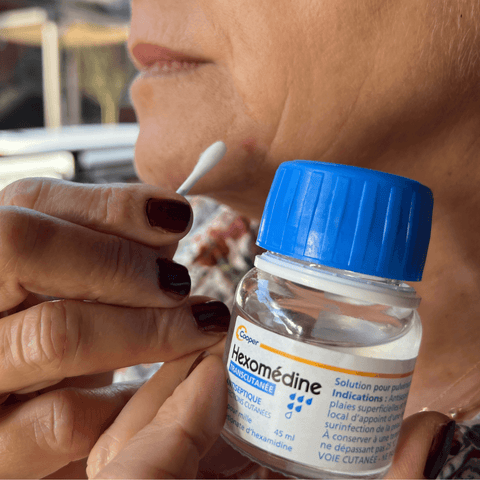
Hexomedine Transcutanee 1.5 oz
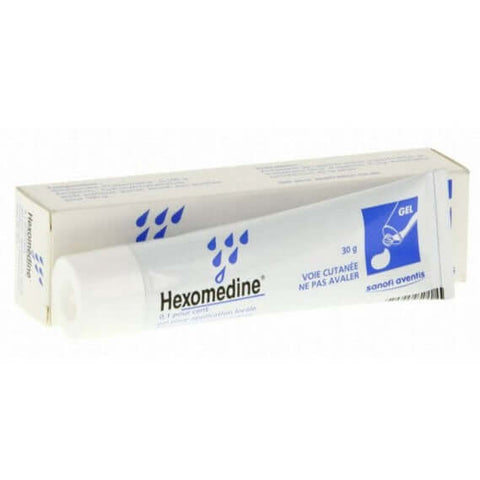

Price:
$ 28.00
Regular price:
Hexomedine Gel 1 oz

Price:
$ 16.50
Regular price:
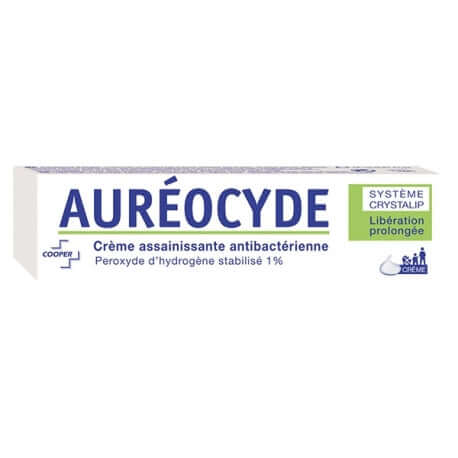
Aureocyde Oxygen peroxyde 1% cream 0.5 oz
Price:
$ 31.00
Regular price:
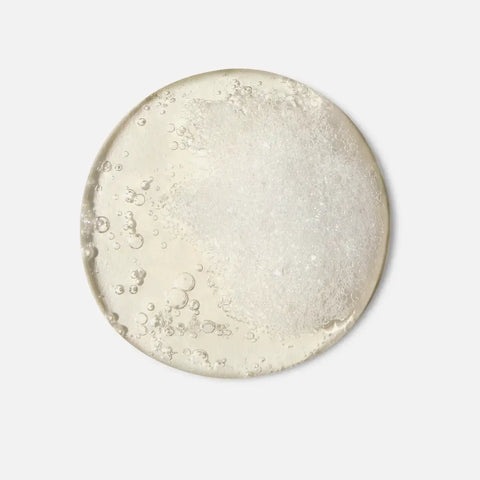
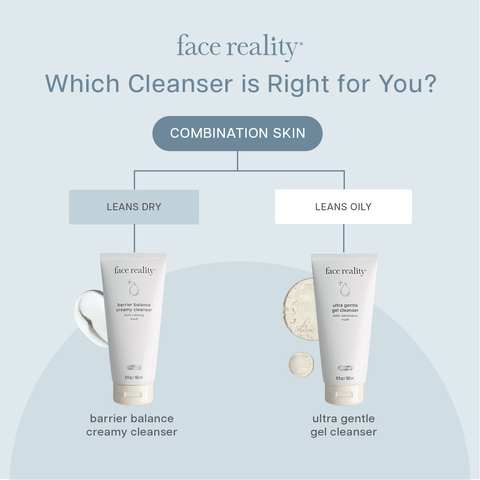
Face Reality Gentle Gel Cleanser 6 oz
Price:
$ 35.00
Regular price:
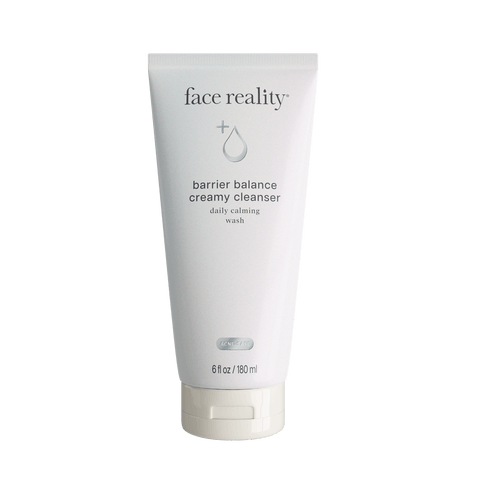
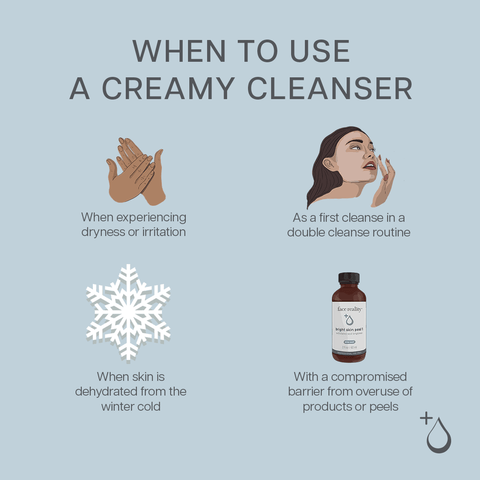
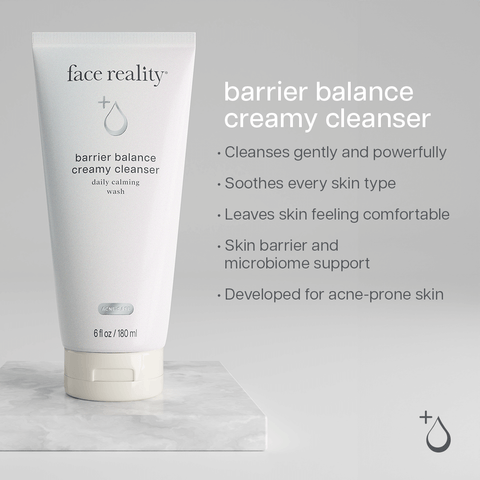
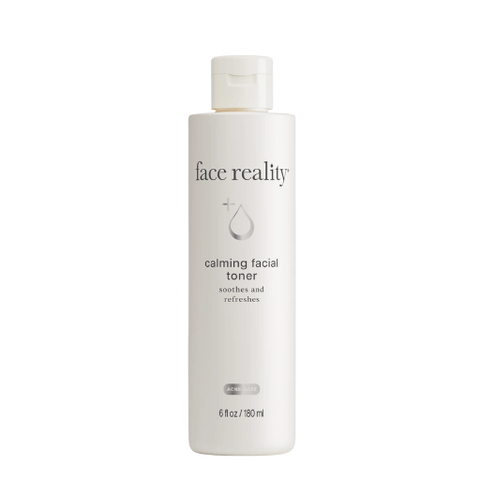
Face Reality Barrier Balance Creamy Cleanser 6 oz
Price:
$ 30.00
Regular price:
Face Reality Soothing Radiance Toner 6 oz

Price:
$ 27.00
Regular price:
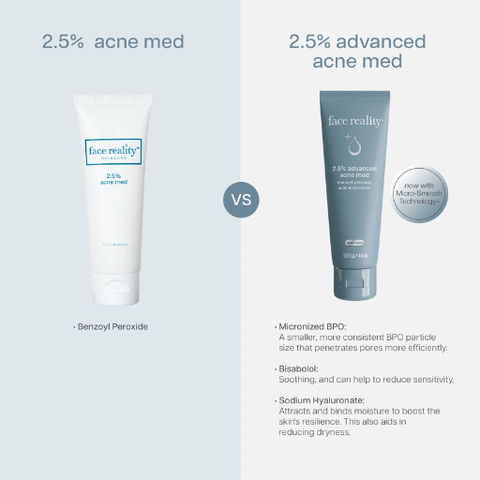
Face Reality Benzoyl Peroxyde Gel 2.5% | Acne Med 2.5%| 1.5 oz
Price:
$ 28.00
Regular price:
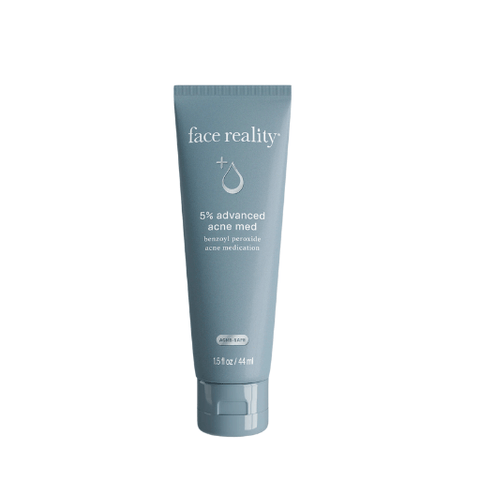
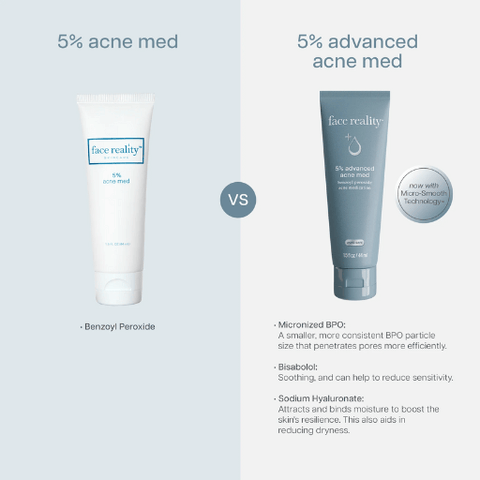
Face Reality Benzoyl Peroxyde Gel 5% | Acne Med 5% | 1.5 oz

Price:
$ 29.00
Regular price:
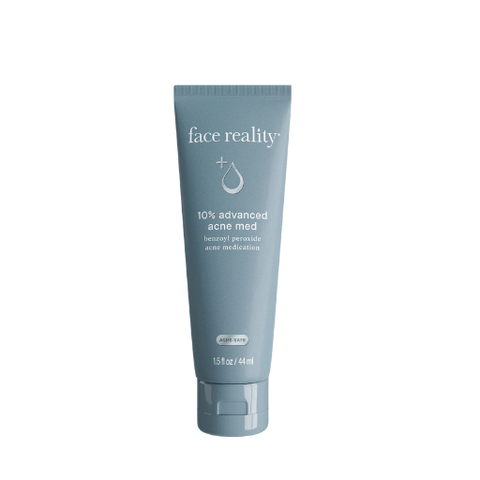
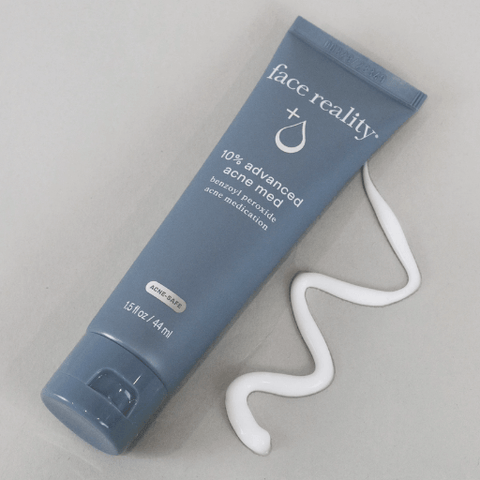
Face Reality Benzoyl Peroxyde Gel 10% | Acne Med 10% | 1.5 oz


Price:
$ 40.00
Regular price:
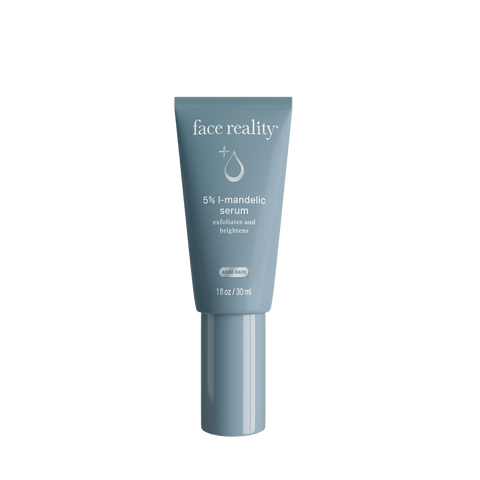
Face Reality 5% Mandelic Acid Serum 1 oz

Price:
$ 42.00
Regular price:
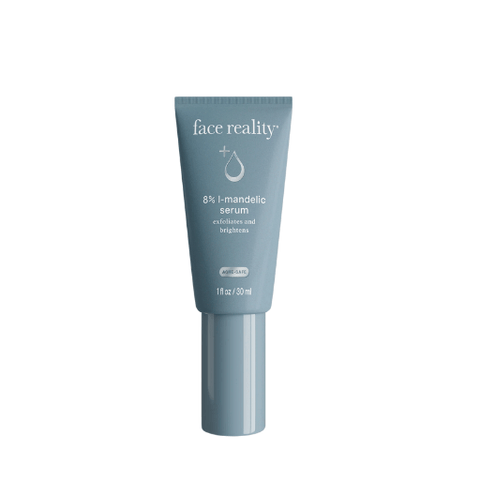
Face Reality 8% Mandelic Acid Serum 1 oz

Price:
$ 44.00
Regular price:
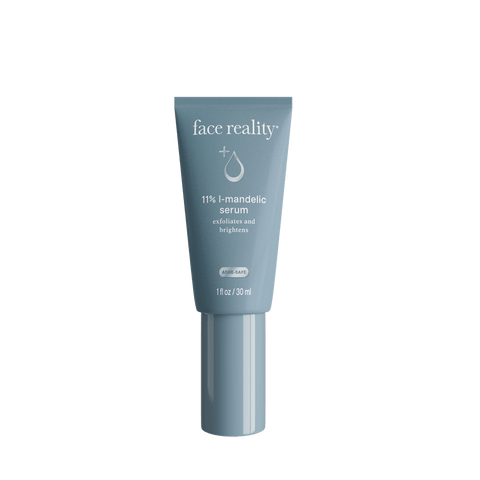
Face Reality 11% Mandelic Acid Serum 1 oz
Price:
$ 46.00
Regular price:
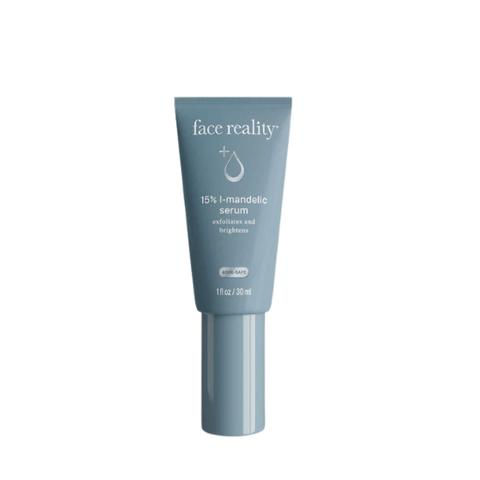
Face Reality 15% Mandelic Acid Serum 1 oz
Acneic skin