


What is menopause?
Menopause is when a woman stops menstruating. Menopause occurs on average between the ages of 45 and 55 and more commonly around the age of 50.
It is a natural phenomenon that occurs when the ovaries stop producing sex hormones (estrogen and progesterone). These hormones act cyclically throughout the body therefore, has varying repercussions from one woman to another:
- hot flushes (in about 7 out of 10 women),
- mood and sleep disorders, fatigue
- night sweats
- urinary problems (frequent urges, infections, leaks, etc.)
- weakening of bones and joints
- hair loss and, on the contrary, hair growth,
- joint pain.
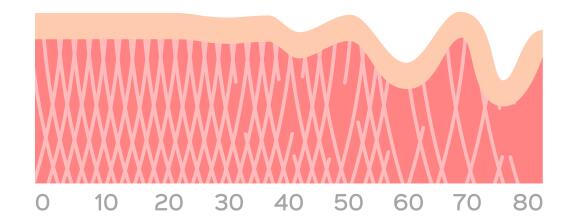
The skin is not spared either. In fact, the menopause leads to a decrease in the suppleness of the skin associated with dryness, which causes or accentuates the appearance of wrinkles.
How does the skin change during menopause?
These phenomena correlate to the decrease in estrogen production. These hormones allow for the production of the following in the dermis, the layer that is the skin's water reserve :
- collagen, a structural protein of the skin that provides resistance to stretching
- elastin, another skin structural protein that gives it its elastic properties
-
hyaluronic acid, a molecule that traps large amounts of water in the dermis to ensure proper hydration of the skin
It is the decrease in collagen, elastin and hyaluronic acid content in the skin that explains these changes with the menopause. For example, there is a 30% loss of skin collagen five years after the onset of the menopause.
What are some tips for keeping your skin smooth and well-hydrated after menopause?
Adopting a skincare routine is also highly recommended to minimize the effects of aging and the menopause on the skin.
- Moisturize your skin daily. Skin dehydration is an important contributing factor to wrinkles. The more dehydrated the skin is, the deeper and more visible the wrinkles will be.
- Use retinol cream at night to stimulate cell renewal and the production of collagen, elastin and Hyaluronic acid.
- If you are experiencing breakouts use Hexomedine spot treatment or a Mandelic acid serum at night.
- use a moisturizer designed for menopausal skin such as Thalion Seaage
- Do not limit skin moisturizing to the face, but also take care of the whole body and, in particular, the areas where the skin becomes the driest and thinnest (shins, knees, elbows, etc.).
During menopause, to counteract the effects of falling hormone levels on skin ageing, it may be worthwhile to also adapt your lifestyle.
In fact, the impact of lifestyle is almost as strong as the physiological impact on skin aging. It is, therefore, useful to put into practice certain rules each day:
Quit smoking and avoid passive smoking as well
Smoking accelerates the ageing of the skin, especially on the hands and face, because the smoke settles on the pores of the skin, clogging them and reducing oxygenation. In addition, smoking causes vasoconstriction, i.e. a reduction in the internal diameter of the blood vessels. This phenomenon is accentuated in the skin, leading to a decrease in blood irrigation and, therefore, a decrease in the supply of oxygen and nutrients, and causing premature skin ageing.
Limit exposure to the sun
The sun is the skin's number one enemy! It is best avoided between 12 and 4 pm when it is at its highest. When exposed to the sun, apply sun protection suitable for your skin type. Reapply at least every two hours. Over time, exposure to the sun's UVA and UVB rays can make the skin less elastic. The skin may even thicken, wrinkle or thin. Applying an emollient SPF before and an after sun exposure is also recommended to limit skin dryness.
- Reduce coffee and alcohol consumption. The former can trigger skin inflammation while the latter dehydrates the skin, both of which exacerbate the visible effects of ageing on the skin.
- Replace sugary drinks with water. Water helps to eliminate toxins through the urine and hydrates the skin.
Eat a balanced diet
Several vitamins, minerals and trace elements, if provided in sufficient quantities, are known to contribute to the maintenance of normal skin. This is particularly the case for vitamins A, B3 or PP (niacin), B8 or H (biotin), B12 (riboflavin), C (ascorbic acid) and copper, iodine and zinc9. Some of these molecules are not compatible with certain conditions or health problems, so it is essential to check with a health professional before supplementing your diet.
Regulate your sleep
Sleep is essential for the rest of the brain and other organs. It allows cell renewal to take place. It is, therefore, important to get enough sleep and in good conditions

