
Solar defense
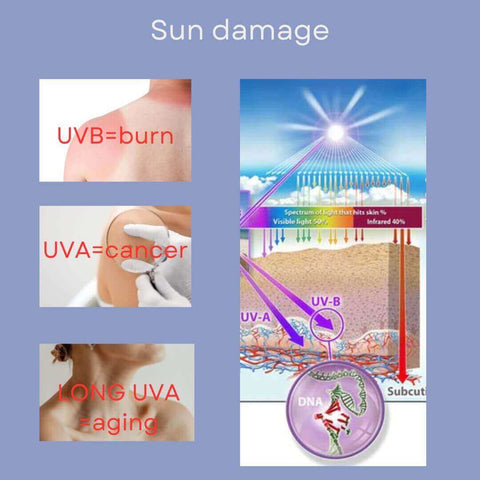
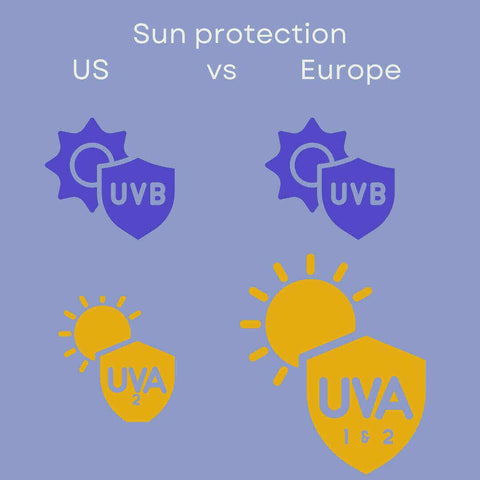
When it comes Photo-aging, Europe focus is not only on UVB (burning) and UVA but also long UVA (aging), Infra-red (aggravates redness) and Blue light (aggravates melasma anf hyperpigmentation)
Spending time in the sun without burning, depends on your skin type, time of exposure, latitude, altitude and the product you use.


Price:
$ 40.00
Regular price:
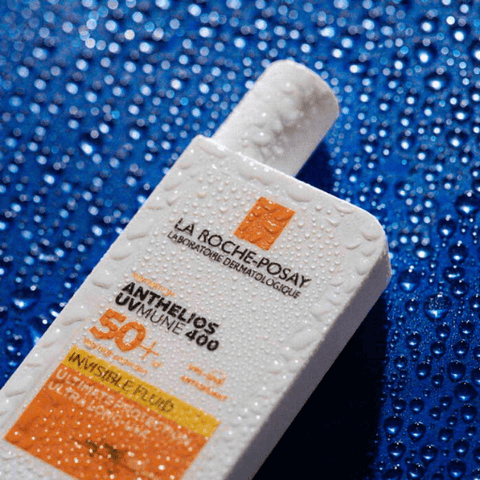
La Roche Posay Anthelios UVmune 400 Fluid French formula 1.7 oz
Price:
$ 38.00
Regular price:
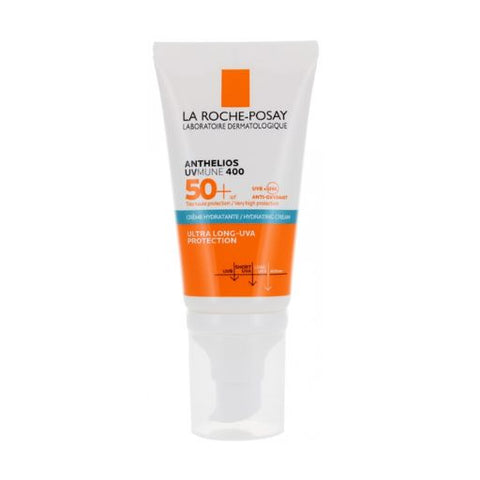
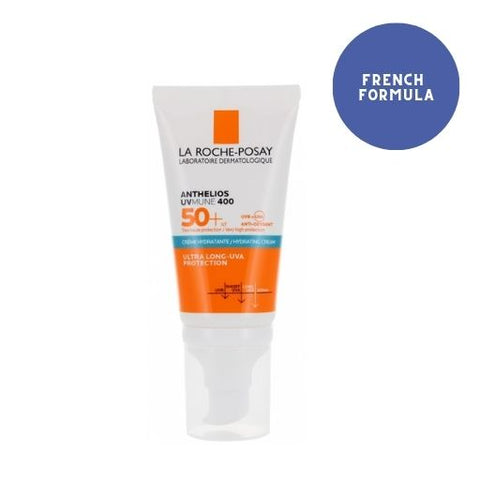
La Roche Posay Anthelios UVmune 400 cream French formula SPF 50



Price:
$ 40.00
Regular price:
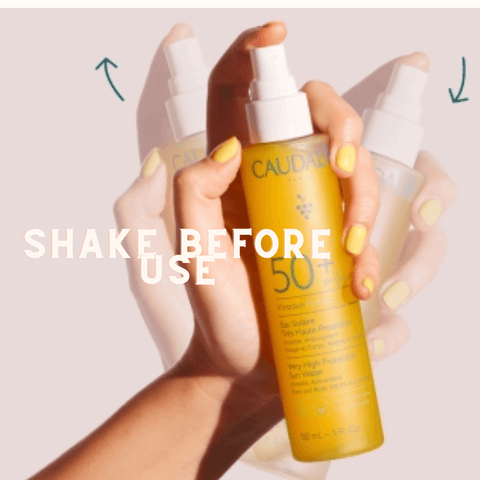
Caudalie Sun Water 50+


Price:
$ 42.00
Regular price:
Caudalie Very high protection Cream 50+
Price:
$ 20.00
Regular price:
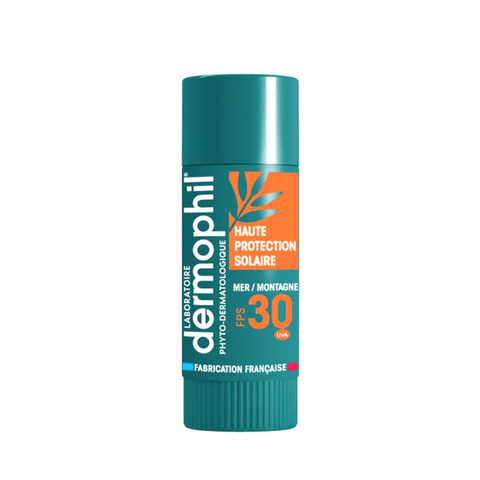
Dermophil Indien Solar Lip Balm SPF 30
Price:
$ 20.00
Regular price:
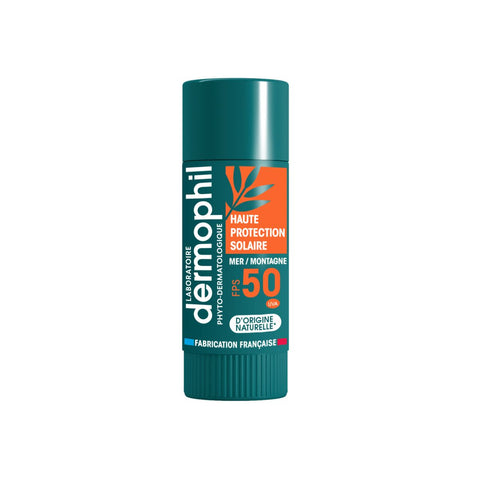
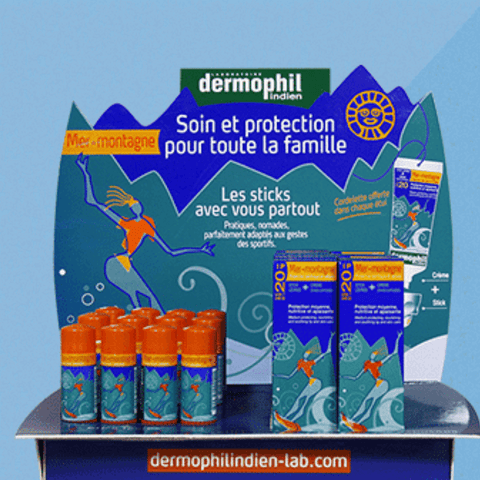
Dermophil Indien Solar Lip Balm SPF 50
email lefrenchskincare@gmail.com to be notified


Price:
$ 25.00
Regular price:
SVR Moisturizing Cream Sun Secure 50+


Price:
$ 33.00
Regular price:
SVR spray Sun Secure invisible milk dry touch 50+


Price:
$ 25.00
Regular price:
SVR Ultra matt gel Sun Secure 50+


Price:
$ 38.00
Regular price:
Caudalie Very high protection Fluid 50 +


Price:
$ 24.00
Regular price:
SVR Blur Sun Secure 50+


Price:
$ 25.00
Regular price:
SVR AK Secure DM Protect 1.7oz


Price:
$ 31.00
Regular price:
Face Reality Mineral SPF 28 Sunscreen


Price:
$ 30.00
Regular price:
SVR spray Sun Secure invisible milk dry touch 30+


Price:
$ 26.00
Regular price:
SVR Aqua fluid Sun Secure 50+
Solar defense